
ATLAS designs pharmacological chaperones that restore the function of misfolded proteins in rare and ultra-rare diseases.
Our lead candidate, ATL-001, is a first-in-class oral pharmacological chaperone in Phase 1/2 clinical development for Congenital Erythropoietic Porphyria (CEP), an ultra-rare disease with no approved treatment.
Pipeline
One platform, four programs in rare and ultra-rare diseases.
Science
Why pharmacological chaperones
Monogenic diseases caused by protein misfolding can be addressed at three levels: the gene, the RNA transcript, or the protein itself. Pharmacological chaperones are small molecules that act at the protein level, which is what makes them viable in ultra-rare diseases.
01
A shared mechanism across many rare diseases
Many rare diseases share the same root cause: an inherited mutation that destabilizes a protein. Pharmacological chaperones target this shared mechanism directly, a strategy that can extend across multiple syndromes, not just one.
02
Restores function instead of replacing it
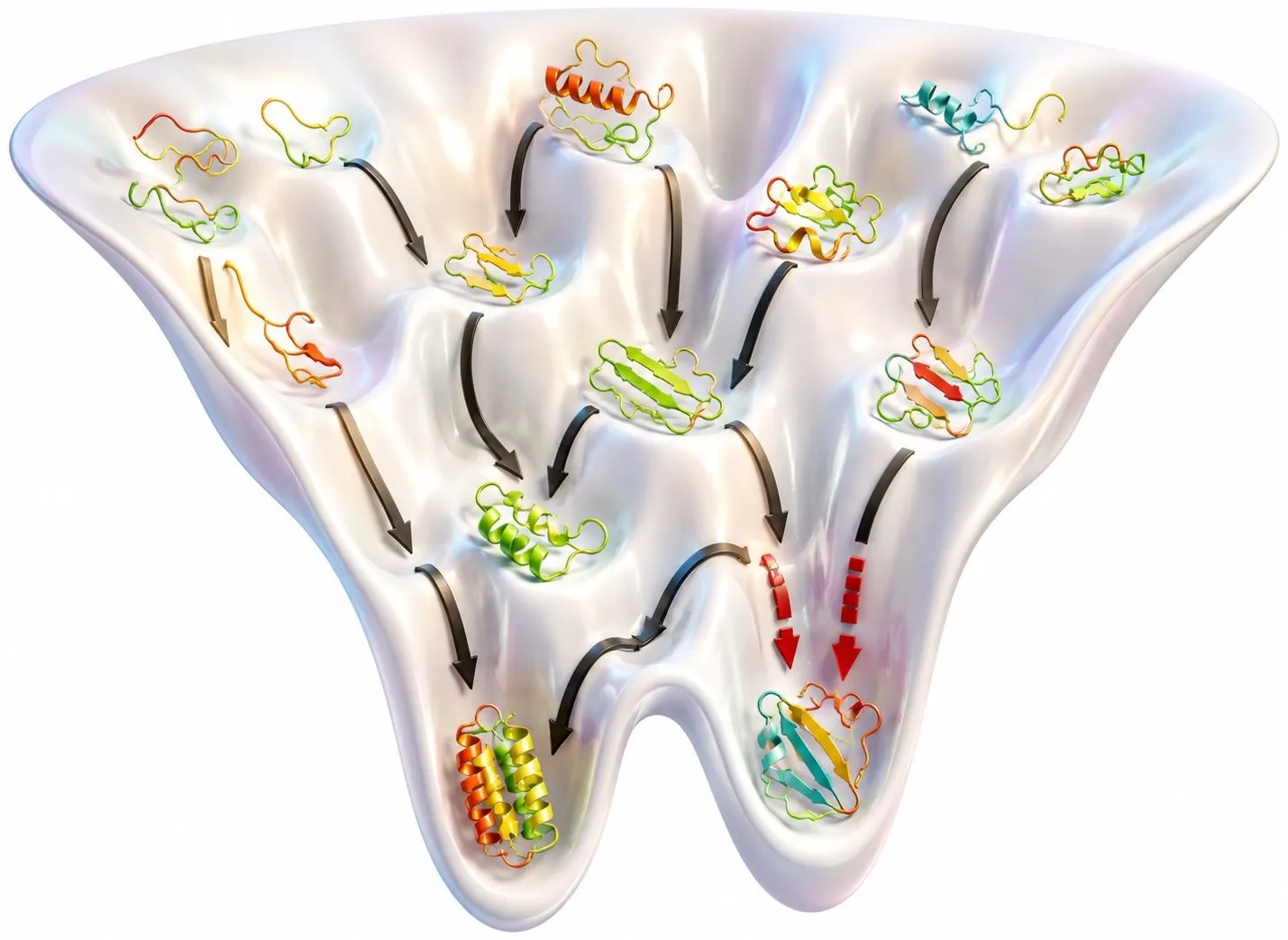
Chaperones bind to the defective protein and restore its native folding and activity. Unlike enzyme replacement therapy, there is no recurring infusion of an external protein and no associated immunogenicity risk.
03
Oral, and manufacturable at the scale rare diseases need
As small molecules, chaperones can be dosed orally and produced at a fraction of the cost of gene therapies or biologics, a decisive advantage in diseases too rare to support that level of investment.

CEP today
For people living with CEP, there is still no approved drug therapy.
CEP typically begins in early infancy. Phototoxic porphyrin accumulation causes severe photosensitivity, blistering and scarring, and can lead to progressive photomutilation. Hemolytic anemia and other systemic complications may also occur.
Care remains largely supportive, with strict photoprotection, wound care and blood transfusions when needed. Allogeneic stem cell transplantation can be curative in selected severe cases, but its significant risks limit its use.
ATL-001 is the first drug candidate to enter clinical development for CEP, designed to address the underlying disease mechanism rather than manage its consequences.
Lead program
ATL-001 for Congenital Erythropoietic Porphyria
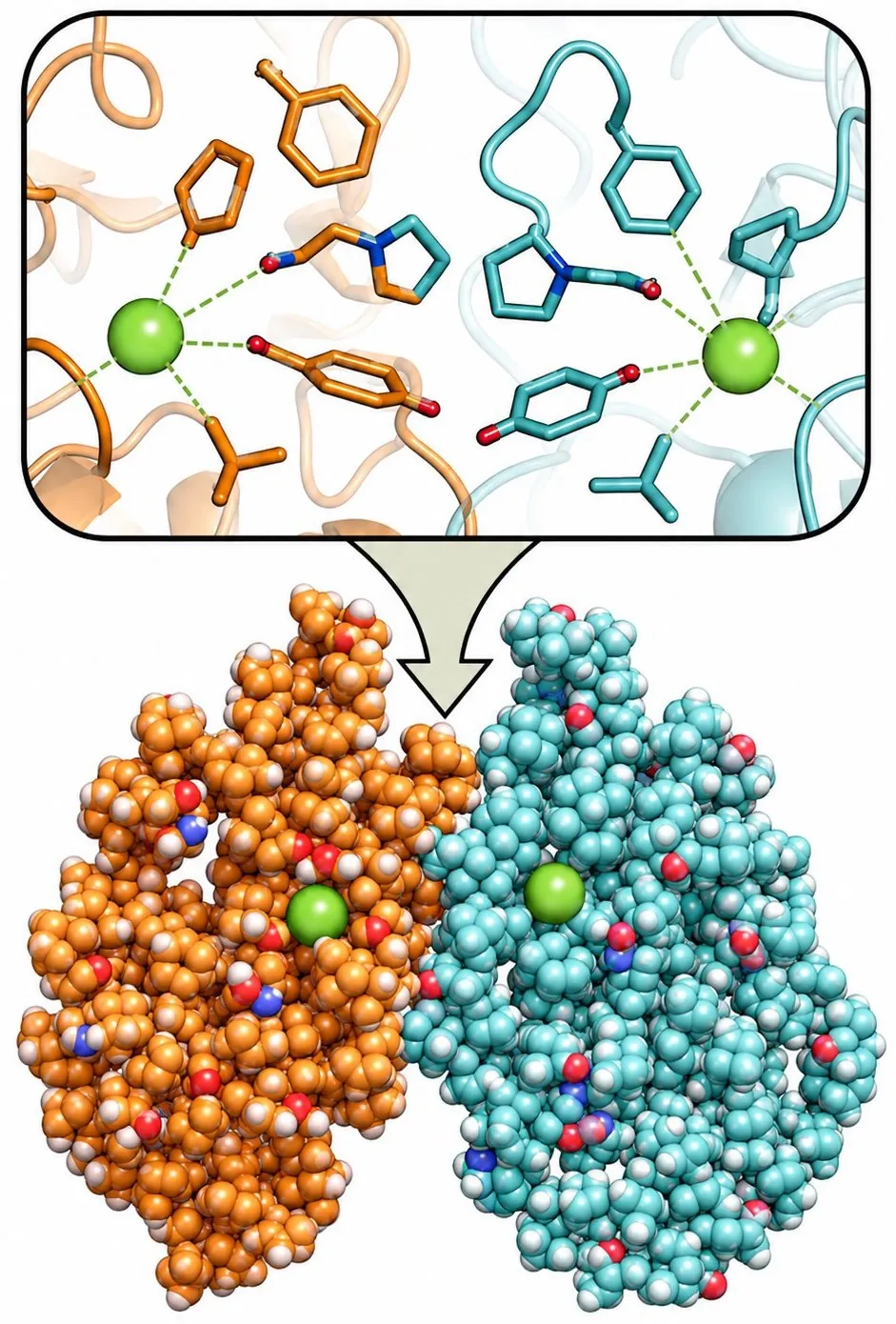
ATL-001 restores the function of the deficient UROIIIS enzyme that drives CEP, reducing the buildup of toxic porphyrins responsible for the disease. It holds FDA Fast Track and Orphan Drug designations in both the US and the EU, and its clinical trial is supported by a grant from the FDA Office of Orphan Products Development.
- FDA Fast Track
- Orphan Drug Designation · US
- Orphan Medicinal Product · EU
- FDA OOPD grant